Work Order Roles: Know Who Owns Every Job
Every work order has someone responsible for it. Now BigWave tracks who.
With Work Order Roles, you define the roles that matter to your business and assign the right people on each work order. Then you can use those assignments to filter, organize and measure your work.
Your company might need a Project Manager and a Service Coordinator. Another might add an Estimator or a Dispatcher. You choose the roles and you name them.
Define the roles your business uses
Under Actions, go to Setup > Details and open the new Work Order Roles tab.
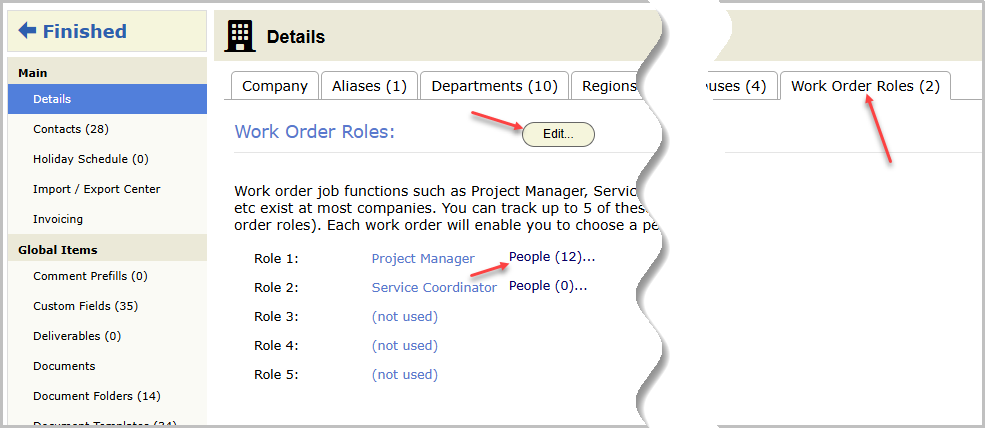
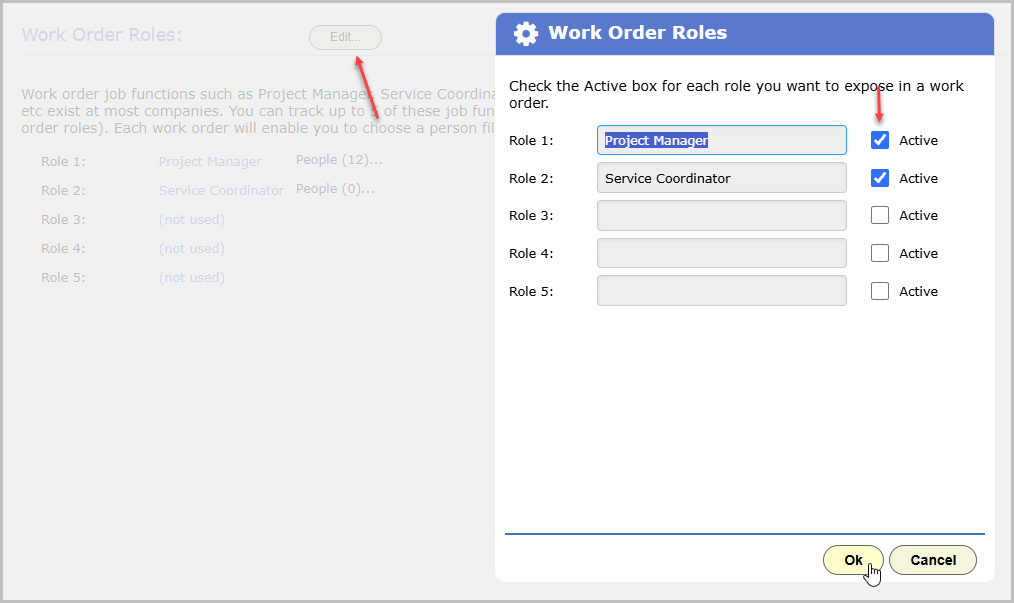
Click Edit to turn on as many as five roles. Give each one the name your team already uses.
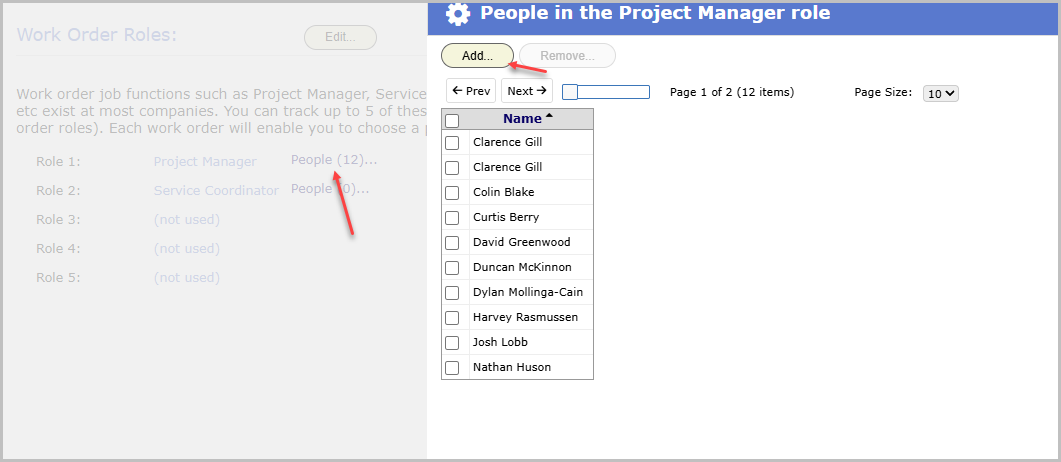
Next, pick the people who can fill each role. Click People beside a role, then click Add. When someone assigns a Project Manager to a job, they choose from that list, so your whole team works from the same names.
Assign roles on the work order
Your roles appear on the work order’s Accounting tab. Click Edit, choose a person for each role, and save. The roles save with the rest of the work order.
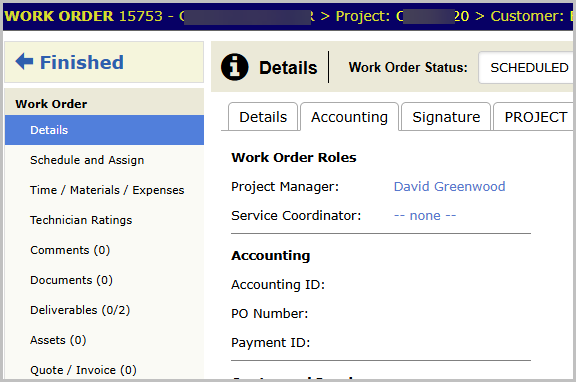
Work Order Roles track who is responsible for the job. Security Roles work the same as before.
See your work by the people who run it
Because roles are structured data, you can filter and report on them.
Start with the All Work Orders page. Filter by a role and a person to see only that person’s jobs, or add any role as a column in the grid. Save the view and you have a standing list of work for each manager, coordinator or estimator.
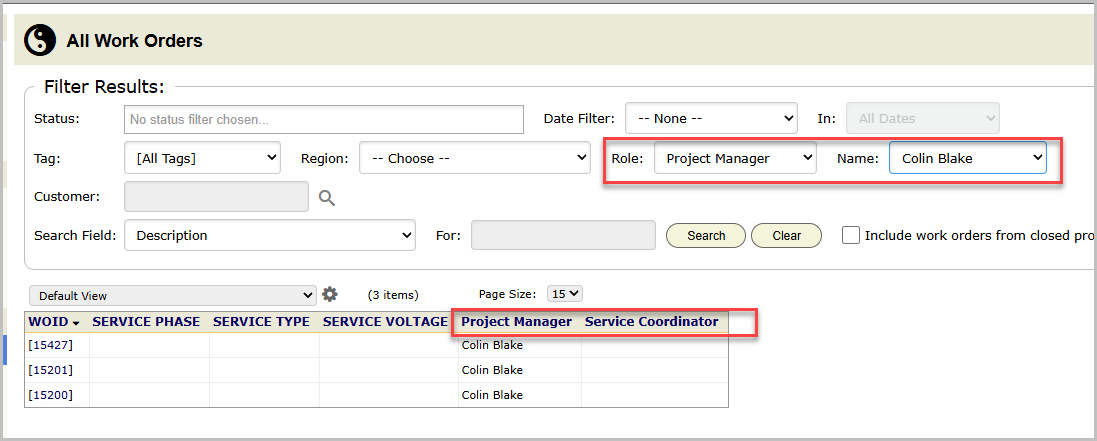
With a person tied to every job, you can start measuring how work moves under each one:
- How fast does each Project Manager get quotes out?
- How quickly do their jobs get scheduled?
- How long does each manager’s work take to go from quote to invoice?
- How much open work does each Service Coordinator carry?
Those answers show you what your best people do well, so you can help the rest of the team do the same.